OpenAdapt for healthcare clinics
Your team repeats the same browser-based intake work all day. Compile one demonstrated workflow for governed replay.
Record a repeated browser workflow once and OpenAdapt compiles it into a local program. Healthy runs make no model calls. When the interface changes, OpenAdapt can re-resolve from evidence, propose a reviewable repair, or halt for an operator.
Process
How it works
A demonstrated task becomes a reviewable program, not a prompt that a model reinterprets on every run.
- 1.0
Record
Do the task once. OpenAdapt watches your screen and your clicks.
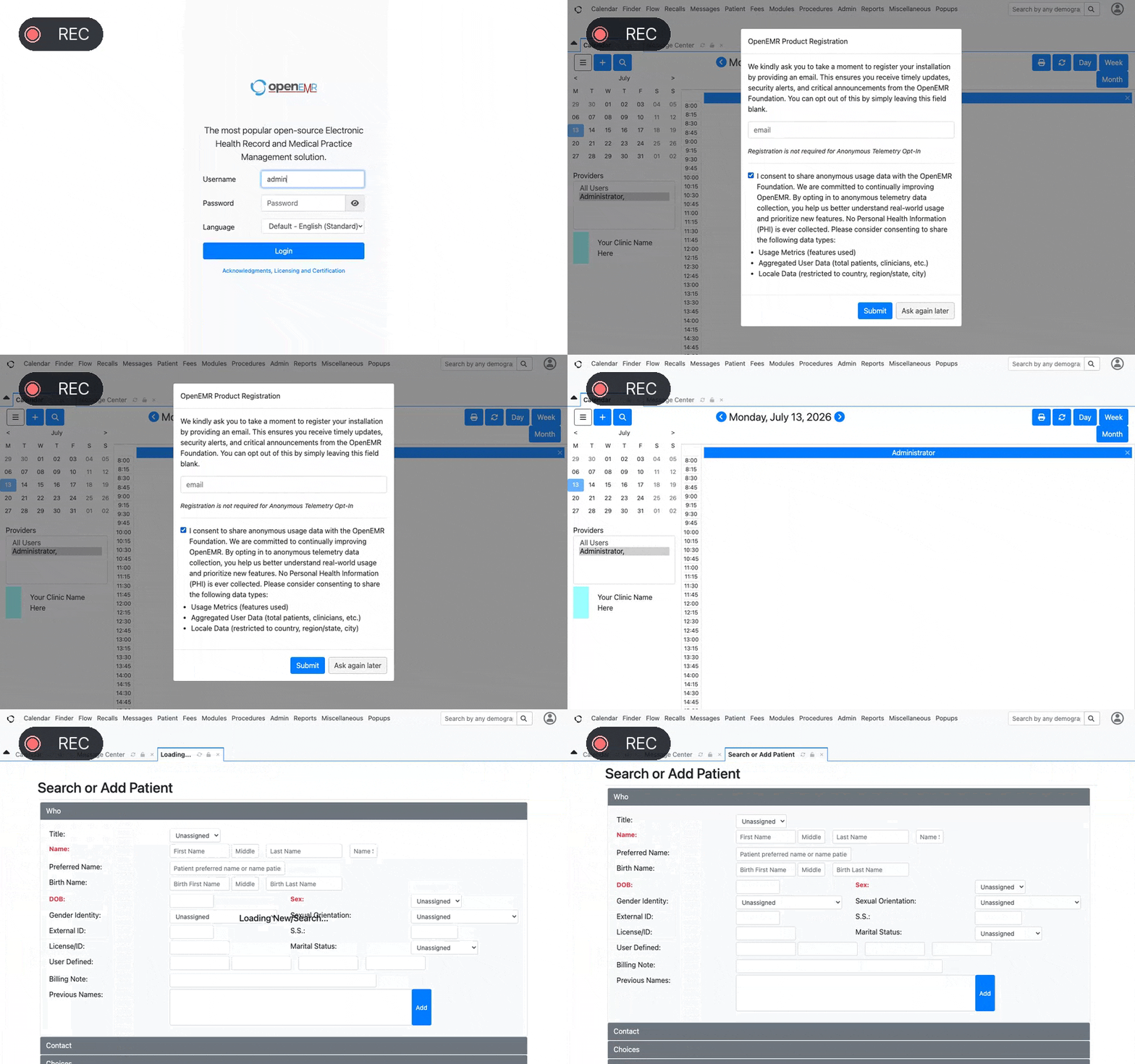
Record — real footage · driving a live OpenEMR instance - 2.0
Compile
Your recording becomes a script you can read, edit, and reuse.
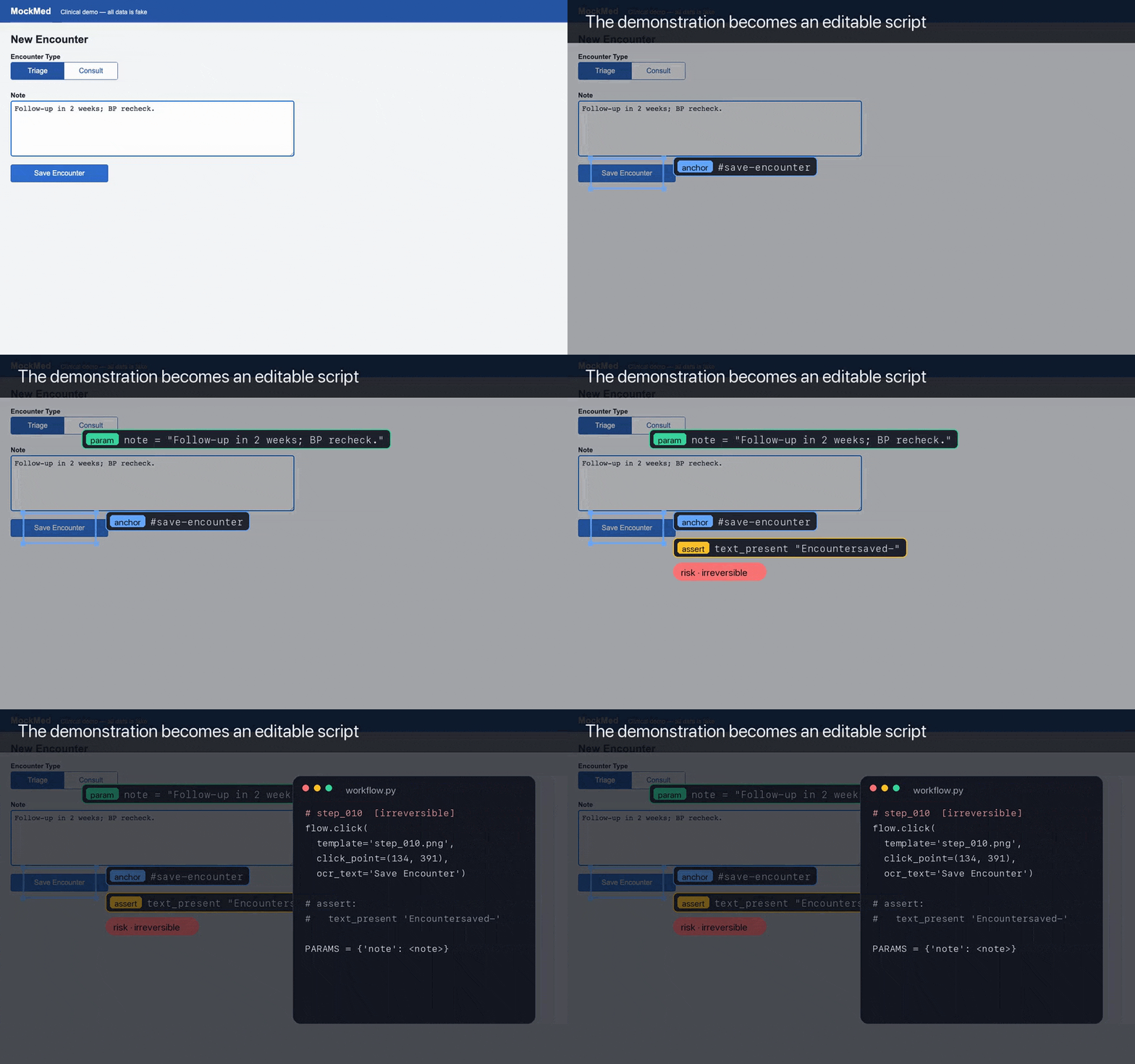
Compile — crafted annotation over a real recorded frame - 3.0
Replay
Healthy runs execute the compiled steps locally without a model call.
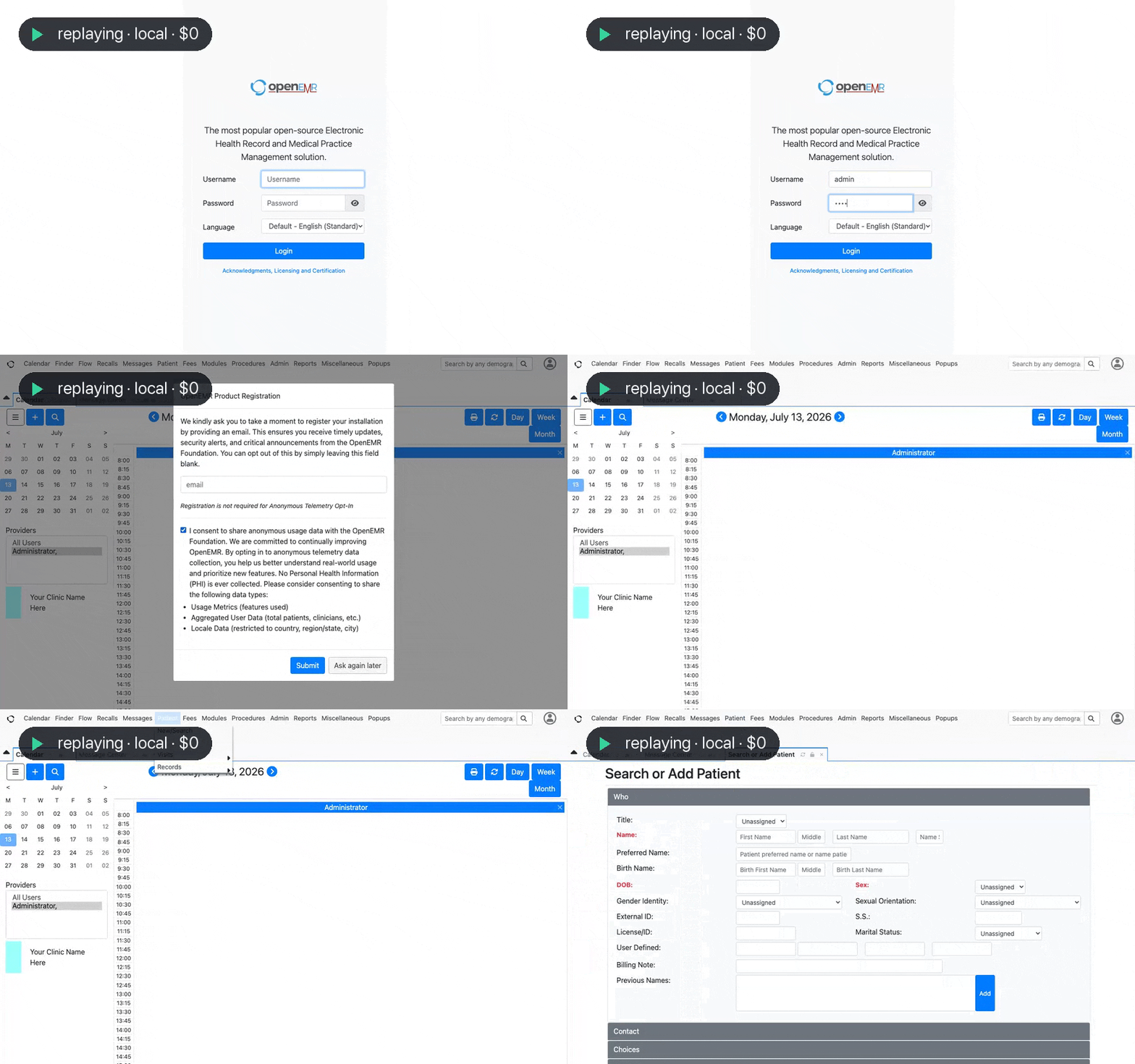
Run — real footage · driving a live OpenEMR instance - 4.0
Resolve or halt
Under drift, deterministic evidence re-finds the target, an optional model proposes a repair, or verification refuses to continue.
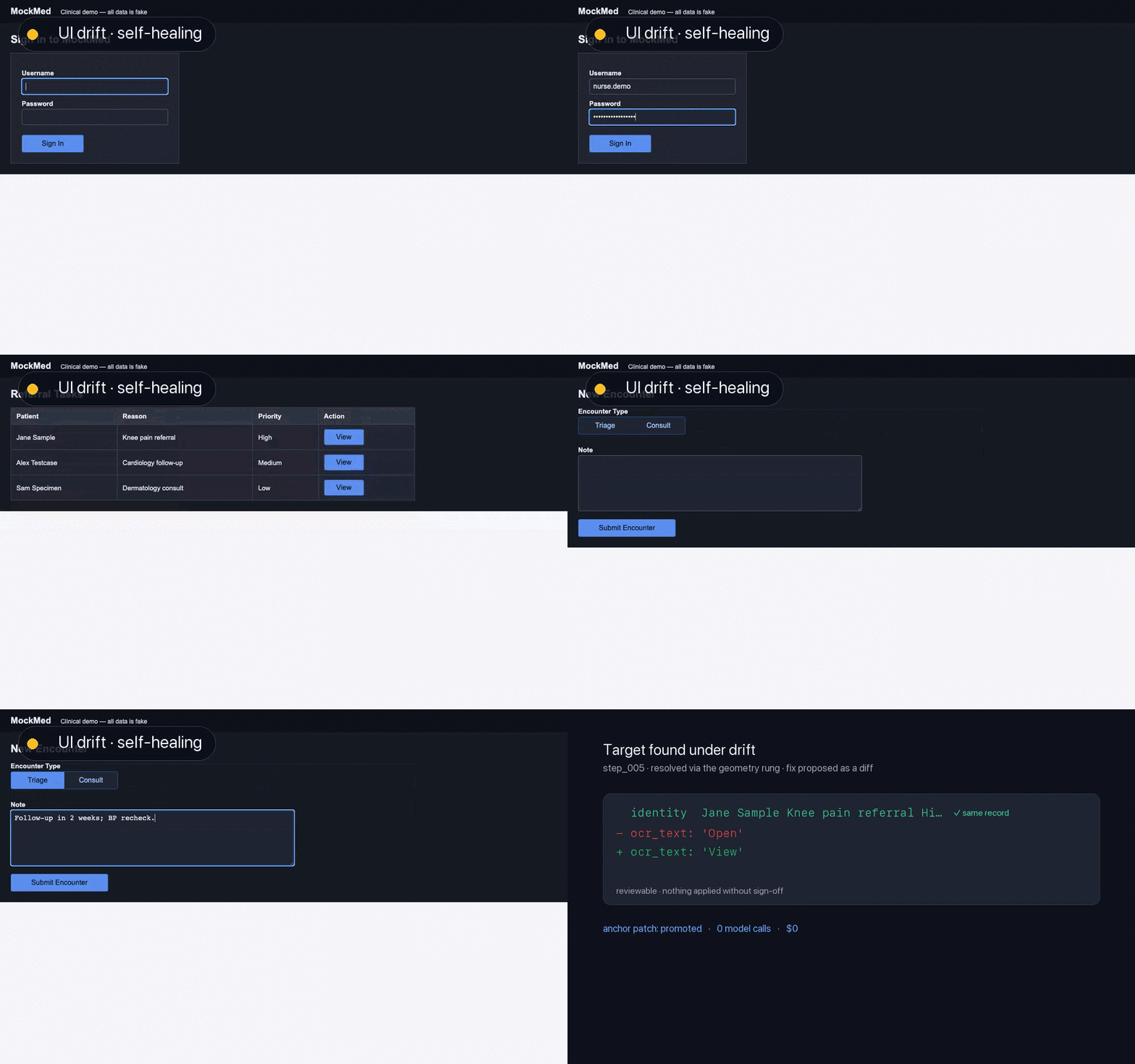
Self-heal — real footage · driving our MockMed demo app - 5.0
Verify and report
Configured postconditions and effects are checked, and every run records what happened, changed, or halted.
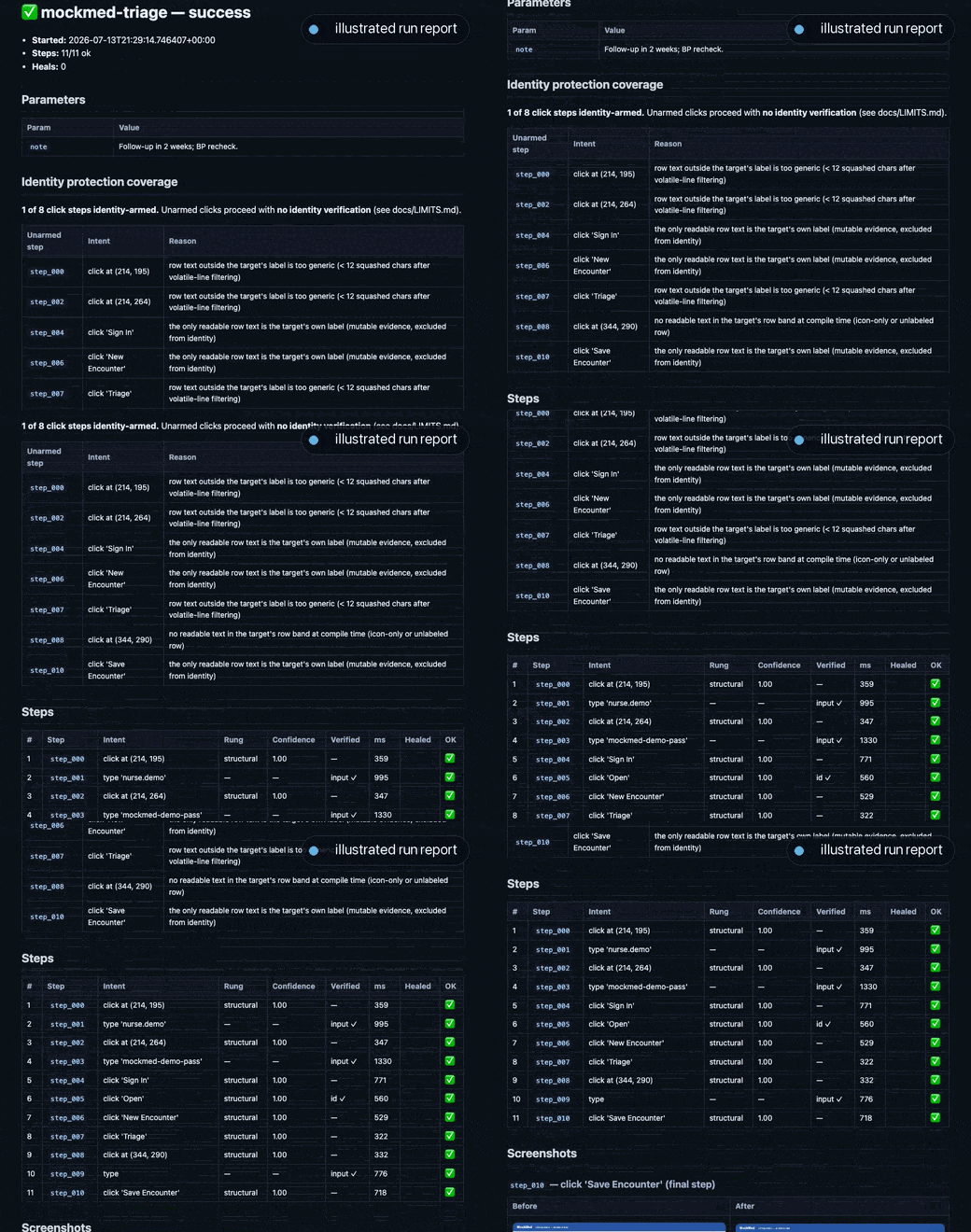
Audit — real footage · driving our MockMed demo app
Why local matters here
Original recordings stay local. If a hosted or cross-boundary workflow is enabled, only a sanitized derivative that passes destination policy may upload; policy can require a local reviewer to approve its exact hash first. Live observations can contain PHI again, so they stay inside the declared managed, BYOC, or on-prem trusted runtime boundary. Browser EMRs are the supported path today. Native desktop is experimental, and VDI/Citrix remains research rather than a validated production claim.
The wrong-patient defense
Require identity evidence before a consequential write.
Wrong-record writes are a critical automation risk. For a step configured with patient identity evidence, OpenAdapt can halt when it cannot verify that the live record matches the demonstrated target. This does not cover every click or prove production EMR safety; the linked test cases show the specific OCR ambiguities evaluated and the remaining limits.
What a clinic can compile
- Replay a demonstrated browser intake workflow across an approved queue, form, and browser-accessible EMR path.
- Move demonstrated fields between browser-accessible scheduling, billing, spreadsheet, and portal workflows.
- Give your compliance lead an illustrated report of every run: what ran, what it saw, what changed.
Show us one intake workflow
Bring your highest-volume retyping task to a 30-minute call and we'll map what compiling it would look like in your clinic.
Book a demo